The Spine, Liverpool

The Building
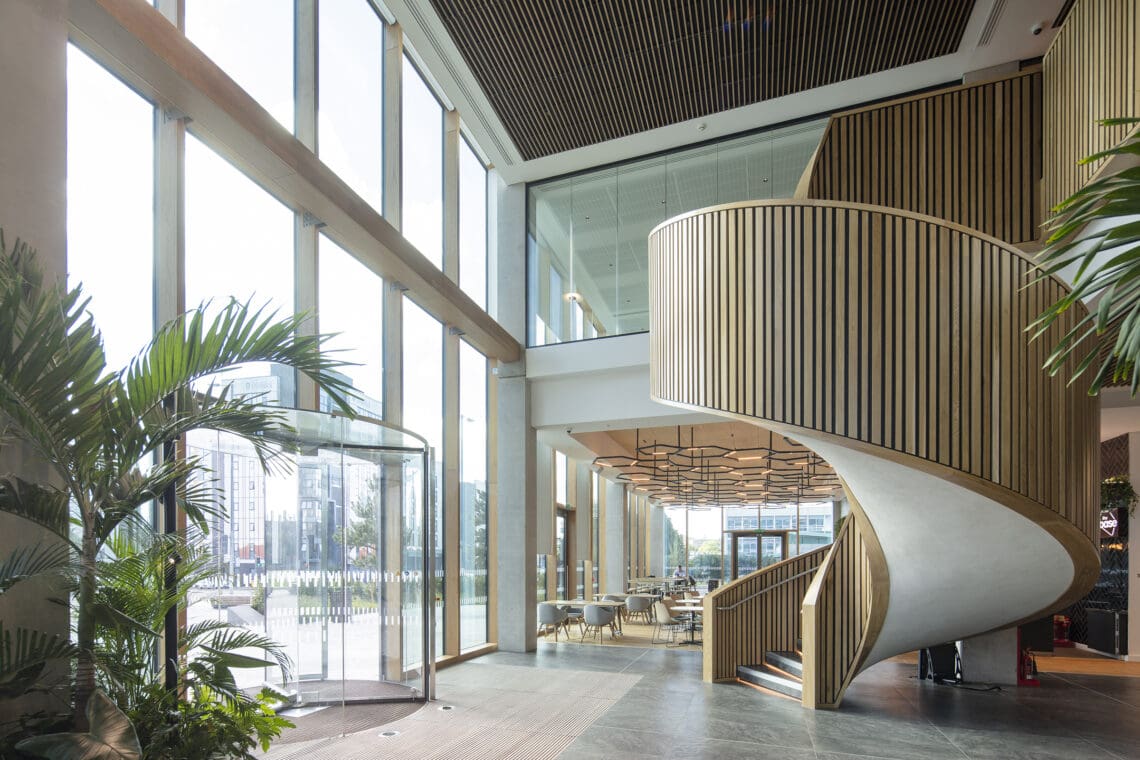
Located in the heart of Liverpool’s Knowledge Quarter Innovation District, The Spine is a landmark office building that has achieved the prestigious Platinum level in the WELL Core Certification. This certification, awarded by the International WELL Building Institute (IWBI), recognises buildings that prioritise health and well-being. Opened in May 2021, The Spine earned this accolade by excelling in ten categories of building performance, including Air, Water, Light, and Community.
The development of The Spine was guided by sustainability consultants, aligning with Liverpool’s ambition to become a leader in science, health, and technology. The building’s innovative design and construction aim to enhance the health of its occupants. As one of Liverpool’s tallest buildings, The Spine also offers panoramic views of Snowdonia, the Lake District, and the Pennines, symbolising the city’s forward-looking vision.
The Glass
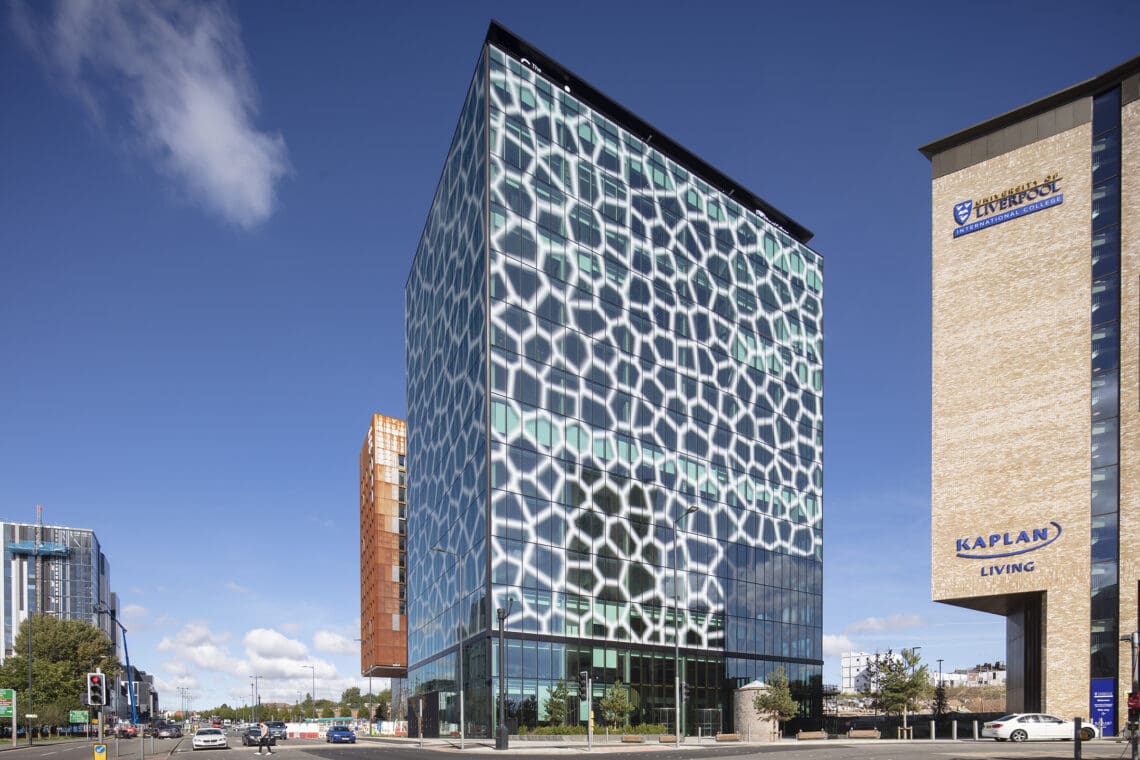
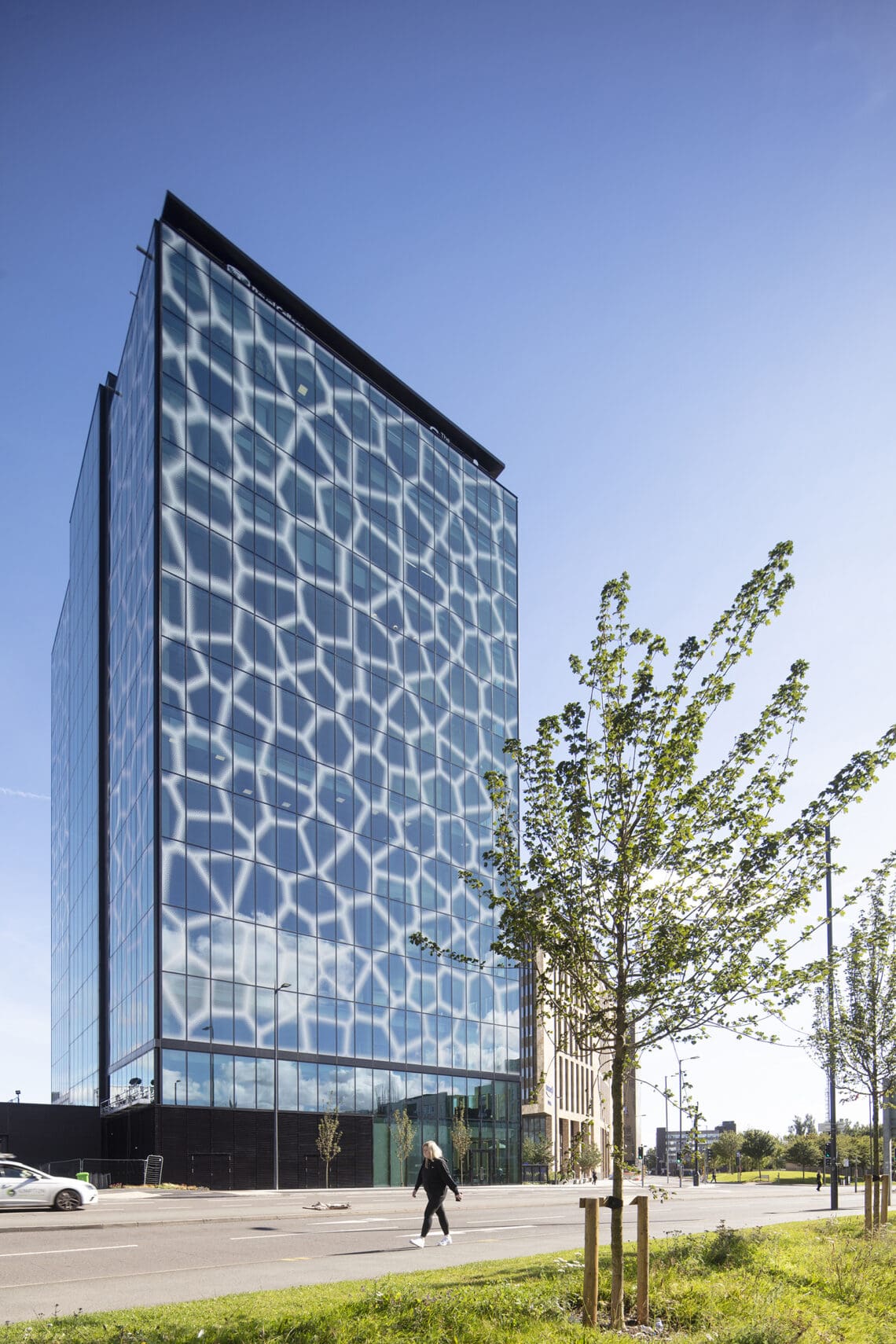
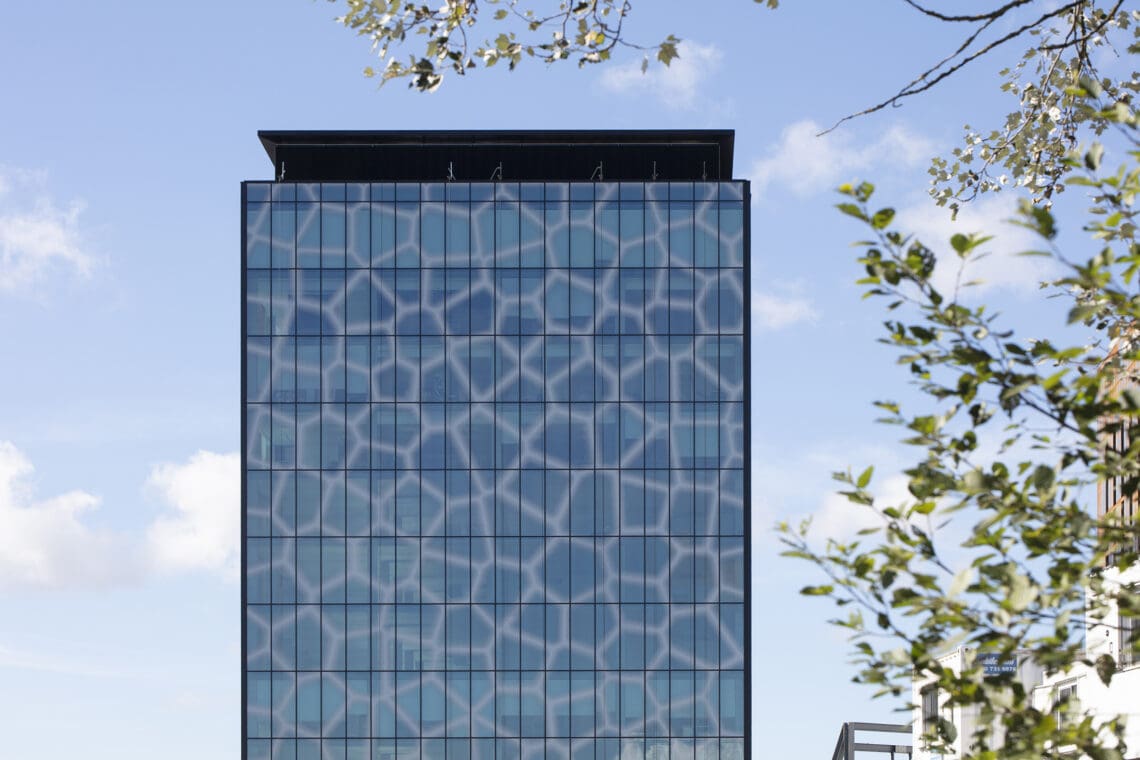
The UK specification team collaborated closely with architects, the main contractor, and a specialist façade installer to bring The Spine to life. This ambitious project came with its set of challenges, primarily the need to design the building to appear as neutral as possible while maximising natural light transmission. Given that The Spine is essentially a glass box, the main façade needed to achieve a G value of 0.18, effectively preventing 82% of solar heat gain from penetrating the glazing. Additionally, the architect desired a unique ceramic digital print on the glazing to replicate the complex DNA pattern of a spine.
To address these requirements, the UK specification team engineered one of the most unique glass specifications. Utilising the Calumen® tool, the team modelled the effect of the ceramic frit on the glass surface. They combined this with the triple silver neutral solar control COOL-LITE® XTREME 50/22 II. Unlike the standard double silver range, the triple silver coating allowed for higher light transmission while achieving the necessary G value selectivity. This ensured the façade maintained a neutral appearance while meeting the low G value target.
The outer pane of the glass features a heat-strengthened safe breakage laminate, incorporating the ceramic print and high-performance coatings. This combination effectively reduces solar heat gain while maximising the visual impact of the frit.
The Spine stands as a testament to innovative design and engineering, showcasing the capabilities of Saint-Gobain Glass. This project, located in the up-and-coming Paddington Village site, sits adjacent to other notable buildings that also feature Saint-Gobain design solutions in their façade glazing.
Other case studies you might like
Halo Digital, Cyber and Innovation Park
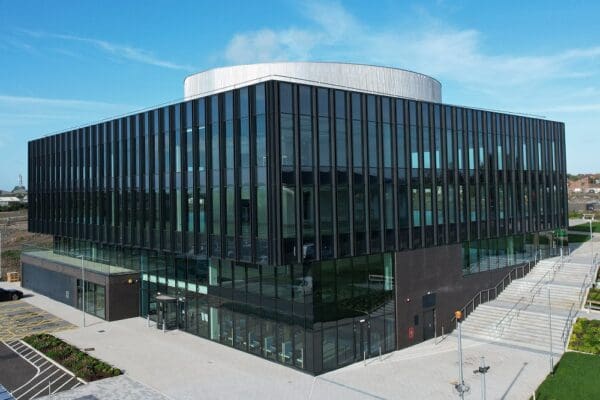
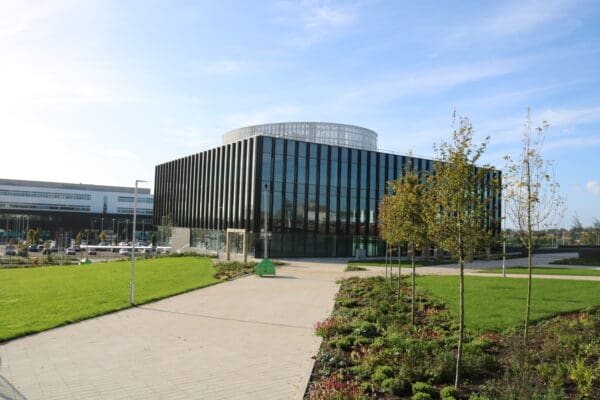
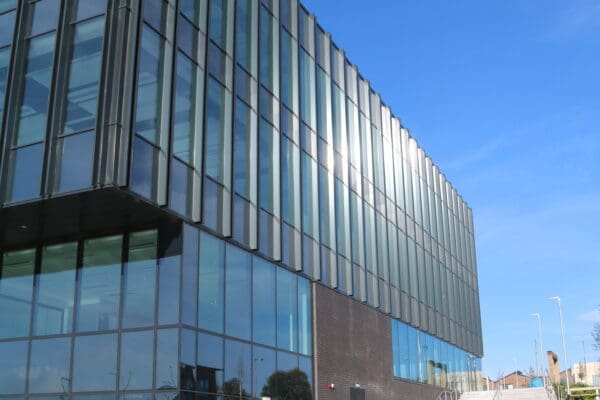
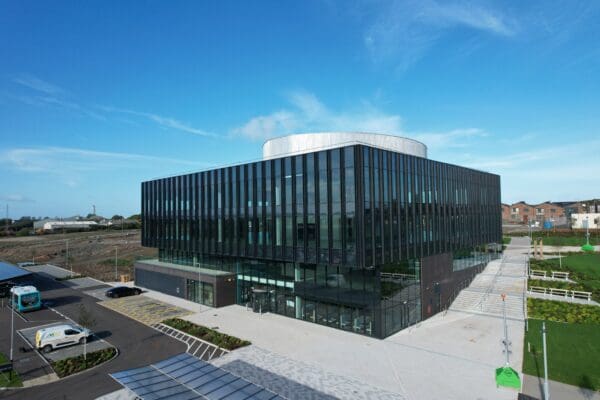
HALO Digital, Cyber and Innovation Park is a pioneering example of sustainable urban development in Scotland. Situated on a 23-acre brownfield site, which was once home to the Johnnie Walker Scotch Whisky distillery, today, HALO is redefining the landscape of mixed-use developments, whilst championing the ethos of net zero carbon footprint.
The Whitworth Gallery
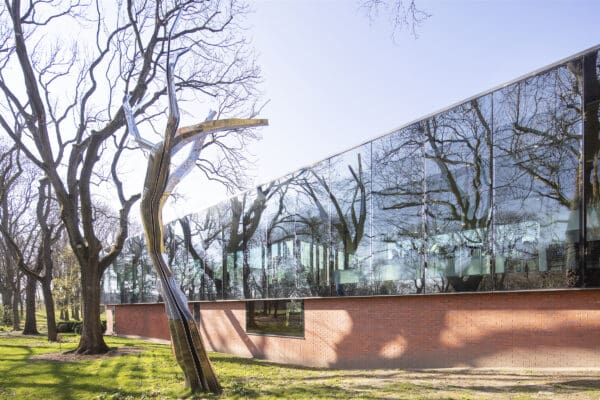
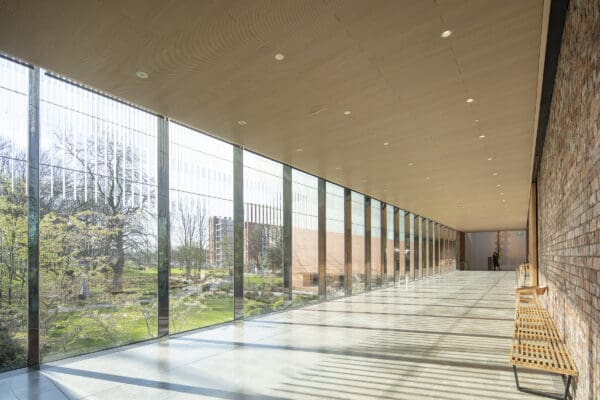
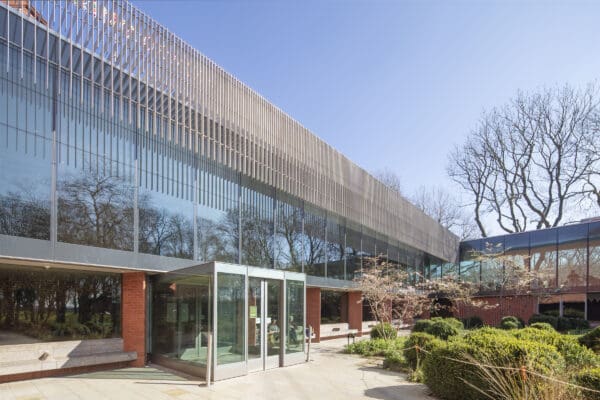
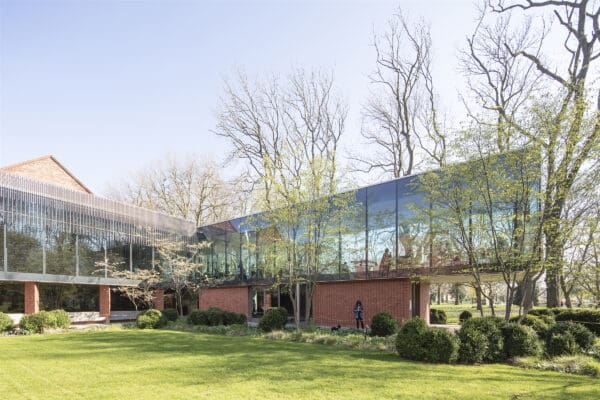
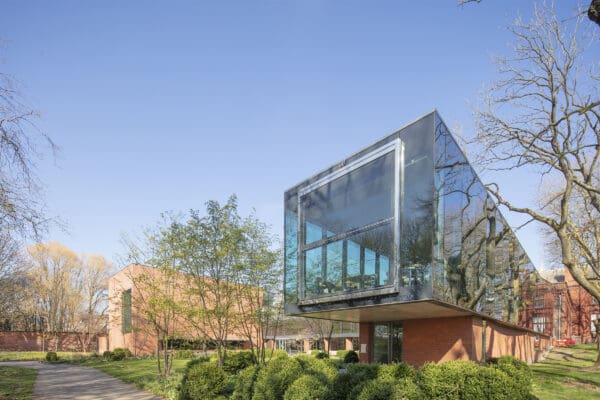
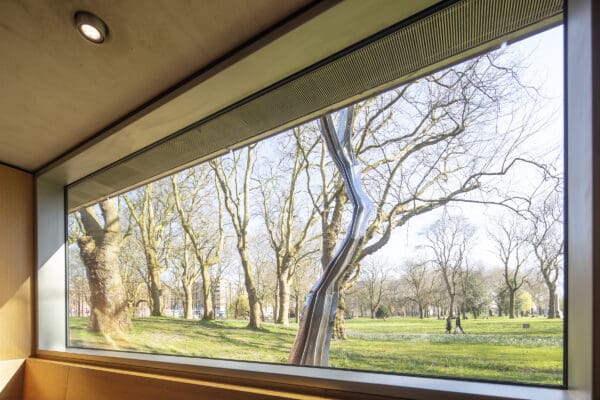
Nestled within the serene Whitworth Park and proudly affiliated with the esteemed University of Manchester, The Whitworth stands as a distinguished art gallery, boasting an impressive collection of approximately 55,000 pieces. The £15 million development was awarded Building of the Year prize in the RIBA North West Regional Awards and RIBA National Award.
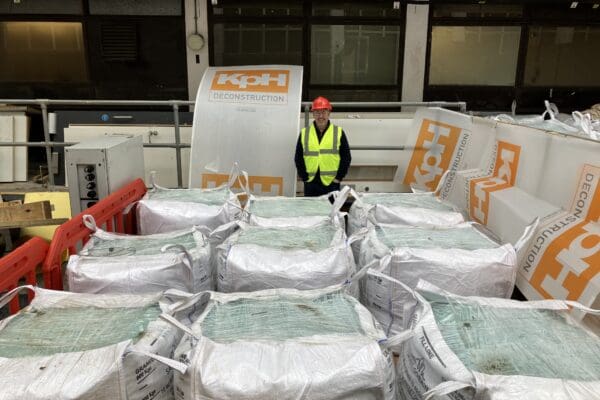
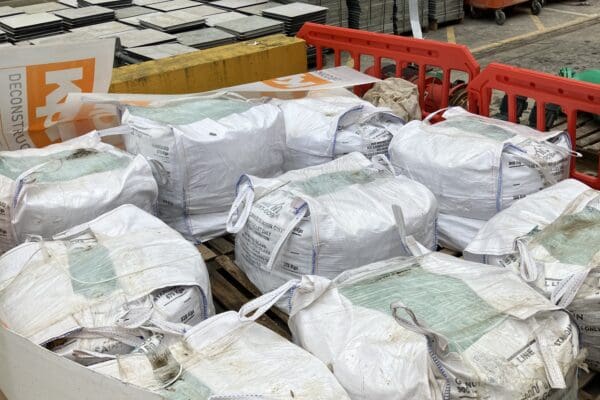
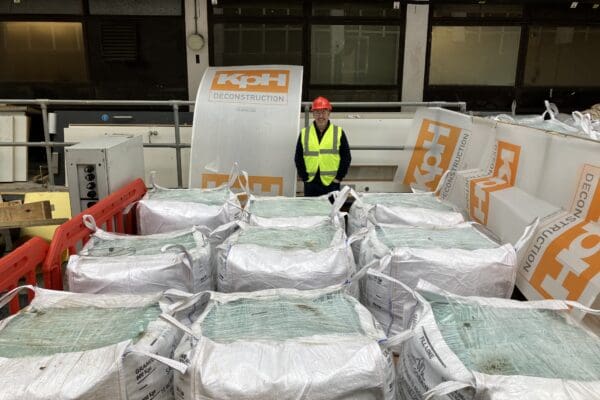
Glass Forever – KpH: It’s a Smashing Success
Building on the triumph of our initial collaboration, we are proud to announce another successful partnership with KpH, a leading name in Deconstruction Solutions and Environmental Services. Together, we have completed yet another outstanding Glass Forever recovery project in the heart of Central London. Glass Forever is our circular economy approach to sustainability, and for our post-consumer customers, we’re developing numerous glass recovery models that are simple, effective, and meticulous in approach to ensure optimal output for the clients and Saint-Gobain Glass.